
OHM Editorial Team
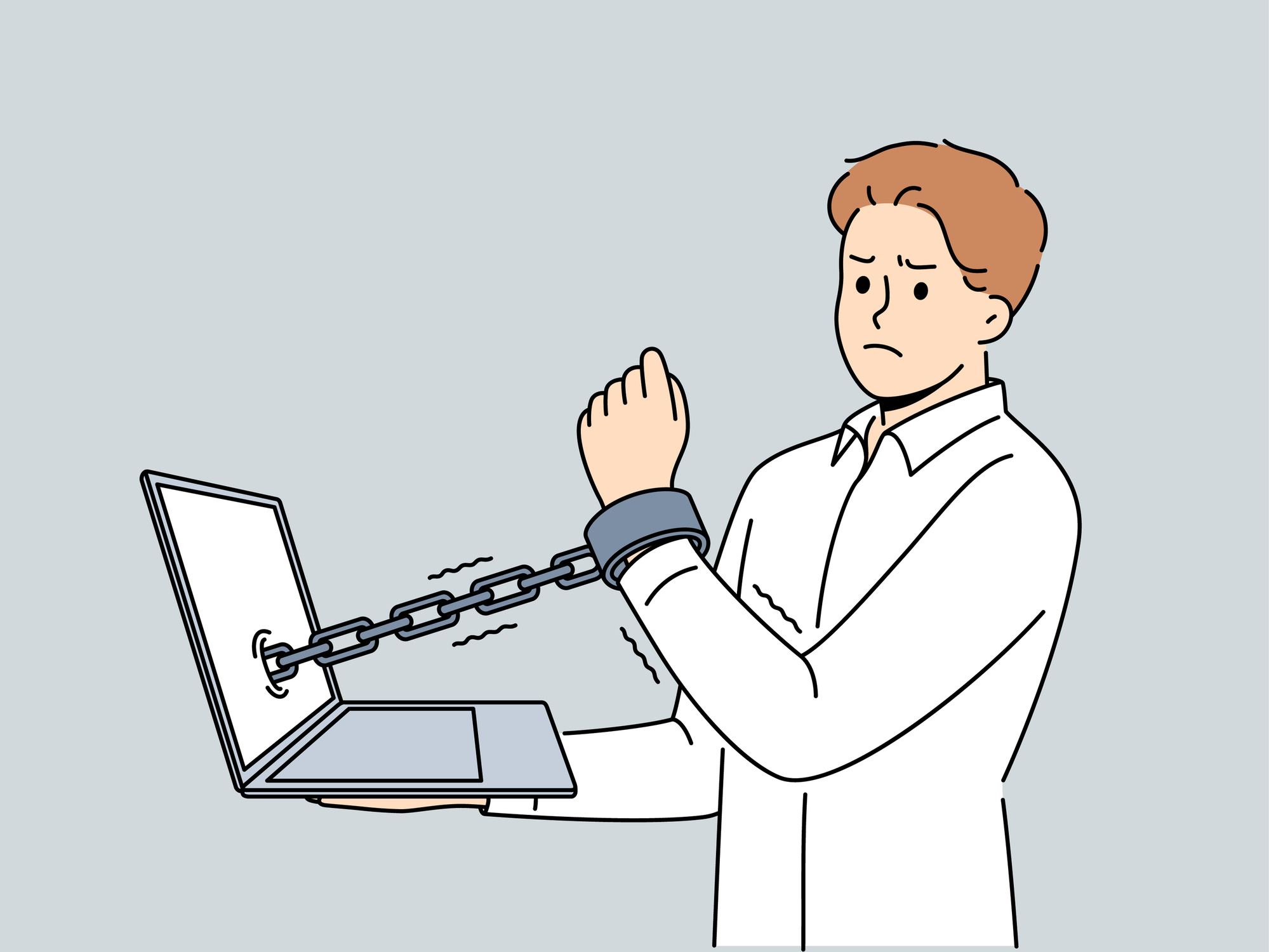
A contractor decides to leave his marketing company after six years. Nothing dramatic; the reports got vague and the price kept climbing. Then comes the phone call that turns a business decision into a hostage negotiation: the website is not his. Never was. The domain is registered to the agency, the site lives on their “proprietary platform,” and the content, the photos, even the reviews widget belong to an account he cannot access. His choices are stay and keep paying, or start from zero with a dead address while his rankings evaporate.
We meet a version of this story several times a year, and the owner is always astonished. He paid for that website monthly for years. Paying for something and owning it, it turns out, are separated by fine print most owners never read, because who reads hosting clauses while running twelve trucks?
Key takeaways
- A website is really four separate assets, the domain, the site software, the content copyright and the surrounding accounts, and each one can be owned by a vendor instead of the contractor.
- The domain is the most important asset to check, and ICANN’s public registration lookup shows whether the registrant organization is the marketing company instead of the business.
- A site built on portable software like WordPress can move hosts in an afternoon, while a site on an agency’s proprietary platform exists only as long as the subscription does.
- Vendors usually build lock-in for economic reasons rather than malice, but the resulting exit cost distorts every renewal conversation because both sides know the contractor cannot freely leave.
- If the audit comes back bad, secure admin access and exports first, request the domain transfer in writing, and plan any rebuild so the new site launches with redirects intact.
- Before signing with any future vendor, ask who registers the domain, what platform is used, who owns content copyright, and what specifically happens on cancellation day.
The Four Things That Can Be Held Hostage
“The website” is actually four separate assets, and each one can be owned by you or by somebody else, independently.
- The domain. Your web address is the crown jewel; lose it and every sign, wrap, review link and ranking pointing at it breaks. It should be registered to you, in a registrar account you control.
- The site itself. Built on portable software like WordPress, it can move hosts in an afternoon. Built on an agency’s proprietary platform, it exists only as long as your subscription does; there is nothing to take with you, by design.
- The content. The words, photos and pages. Some contracts quietly retain copyright with the vendor, which means starting over even if you rescue everything else.
- The accounts around it. Hosting, analytics, Search Console, your Google Business Profile. Access owned by a vendor is leverage they hold, whether or not they ever intend to use it.
The Ten-Minute Ownership Audit
You can check most of this tonight without calling anyone. Start with the domain: run your web address through ICANN’s public registration lookup. If the registrant organization is your marketing company instead of your business, you have found problem one, and it is the big one.
Next, identify the platform. Ask your vendor directly: if I left tomorrow, can I export this site and run it elsewhere? WordPress and similar answers mean portable. “Our proprietary system” means the site is a service, not an asset. Then find the copyright question in your contract, the clause about who owns delivered work. Finally, inventory your logins: registrar, hosting, analytics, Business Profile. Every account you cannot enter today is an asset someone else is holding for you, on terms you have not tested.
Why Vendors Build It This Way
Not always malice; mostly economics. Proprietary platforms make clients sticky, and churn is the enemy of agency revenue. Registering the domain themselves was often just expedience on setup day a decade ago. But intent matters less than the result: an exit cost so high that firing the vendor means amputating your online presence. That cost silently distorts every renewal conversation you will ever have with them; both sides know you are not really free to leave.
It is the same gravity we described in the shared-lead bidding war: rented assets keep you paying rent. The difference is that a website, unlike a lead feed, is supposed to be yours. It carries your name, your license number and your reputation, which makes discovering you do not own it feel less like a bad deal and more like a betrayal.
If the Audit Comes Back Bad
Do not rage-quit; sequence. First, quietly secure what you can: get admin access granted where it is missing, export what is exportable, download your photos and copy. Second, open the domain conversation in writing; reputable vendors transfer registration to you on request, and a refusal in writing tells you everything while creating a paper trail. Third, if the site is trapped on a proprietary platform, plan the rebuild before you announce anything, so the new site launches as the old one retires, redirects intact, with no dead-address gap for your rankings to fall into.
A rebuild sounds expensive until you price the alternative: paying a captor’s renewal rates forever. And done right, once, it ends the problem permanently. This is exactly why our website design work runs on WordPress with everything portable and every asset registered in the client’s name from the start. The audit above should come back boring.
The Questions to Ask Any Future Vendor
Four questions, before any contract: Who registers the domain, in whose account? What platform, and can I export and leave with it? Who owns the copyright on content you create for me? And what, specifically, happens on the day I cancel? Honest vendors answer in one breath because they have nothing to protect. Evasive answers are the product warning label, printed in advance.
Ownership also quietly matters to your rankings. Sites that persist at one address for years accumulate the history and trust that local SEO compounds on. The hostage scenario, torching a domain to escape a vendor, burns that history along with the address, which is why the audit is worth running years before you ever want to leave anyone.
One more account deserves its own sentence: your Google Business Profile. It is not part of your website, and it is frequently the most valuable single asset your company has online. Verify today that you, personally, hold owner-level access, not just your vendor. Profiles stranded in departed agencies’ accounts are their own small genre of contractor heartbreak, and recovery through Google support is slow at best.
Final Thoughts
You would never let a vendor hold the title to your trucks, no matter how good the maintenance plan was. Your website is the truck your customers see first, and thousands of contractors are financing one they will never own without knowing it.
Run the ten-minute audit this week. If everything checks out, you have bought peace of mind for the cost of a lookup. If it does not, you have found out on your schedule instead of during a breakup, and that difference is worth thousands. Either way, from now on: own the machine that finds your customers. Rent nothing you cannot walk away from.
Build a Marketing System That Delivers Consistent Leads.
Ready to stop relying on referrals and inconsistent marketing?
We help home service companies attract more qualified leads through SEO, Google Ads, websites, branding, and proven digital strategies, all working together to grow your business.
Frequently asked questions
Run your web address through ICANN’s public registration lookup. If the registrant organization is your marketing company instead of your business, the domain is not yours, and that is the biggest problem the audit can find. The domain should be registered to you in a registrar account you control.
About ten minutes, and most of it can be done tonight without calling anyone. Check the domain registrant through ICANN’s public lookup, ask the vendor whether the site can be exported and run elsewhere, find the copyright clause in the contract, and inventory logins for the registrar, hosting, analytics and Google Business Profile.
It depends on the platform. A site built on WordPress or similar portable software can be exported and moved to another host. A site built on an agency’s proprietary platform is a service rather than an asset, and there is usually nothing to take with you when the subscription ends.
Do not quit in anger; sequence the exit by first securing admin access where it is missing and exporting your photos and copy. Then request the domain transfer in writing, since reputable vendors transfer registration on request and a refusal creates a paper trail. If the site is trapped on a proprietary platform, plan the rebuild before announcing anything.
No. The Google Business Profile is separate from the website and is frequently the most valuable single asset a company has online. Verify that you personally hold owner-level access rather than only your vendor, because profiles stranded in a departed agency’s account are slow to recover through Google support.